Austria's Integration of Reward Structures with Daily Mobile Reel Interactions
Zara Bennett · Nov 2, 2026
Austria's Integration of Reward Structures with Daily Mobile Reel Interactions
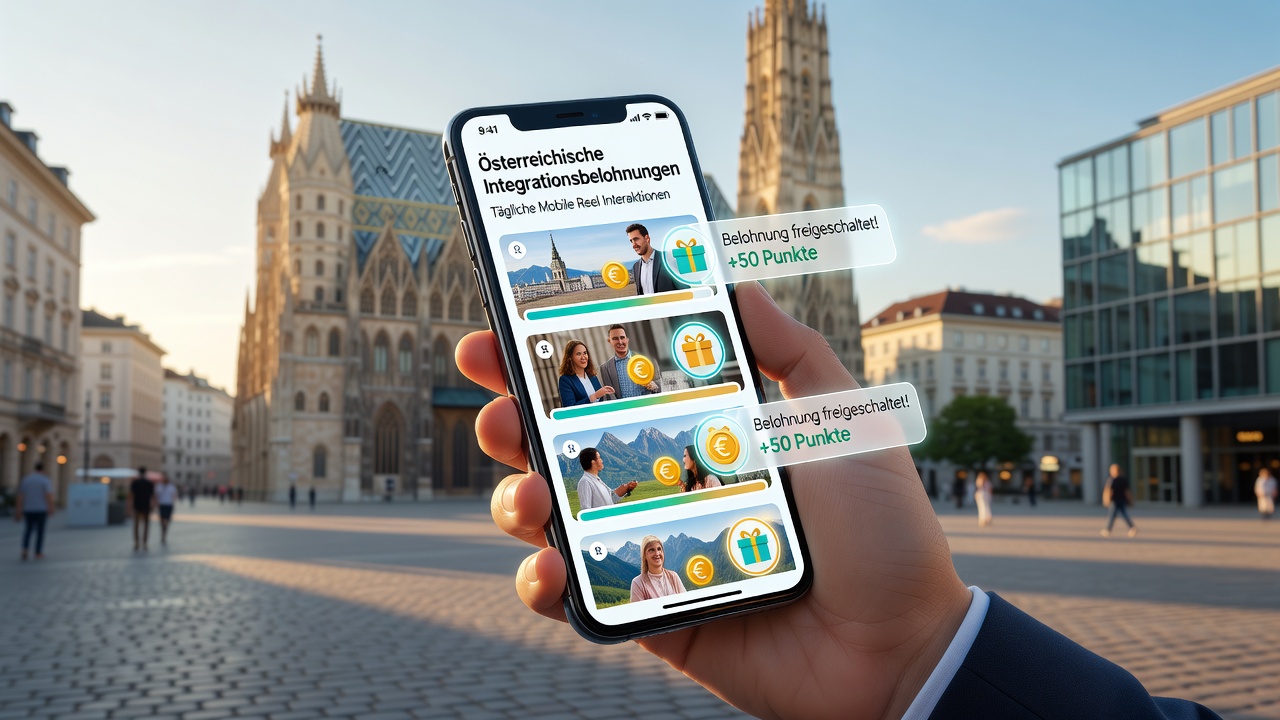
Austria has developed structured approaches that connect reward mechanisms directly to daily mobile reel activities, where users engage with slot-style games through licensed platforms. These systems track participation patterns, log daily interactions, and distribute incentives such as bonus credits or loyalty points based on consistent reel spins and session durations. Data from regulatory filings indicate that such integrations have expanded since the early 2020s, with mobile applications now accounting for a growing share of licensed gaming activity within the country.
Core Mechanisms of Reward Integration
Operators link reward structures to mobile reel interactions through algorithms that monitor login frequency, spin volume, and completion of daily challenges. Users receive tiered benefits when they maintain streaks of consecutive days, and these benefits often include free spins or multiplier boosts that apply to subsequent reel sessions. The process relies on secure user profiles that sync across devices, allowing seamless continuation of progress without resetting daily counters. Observers note that this setup encourages regular engagement while adhering to limits set by Austrian licensing requirements.
Systems further incorporate time-based triggers, where rewards activate at specific intervals during the day, such as morning login bonuses or evening streak completions. Integration occurs through application programming interfaces that connect reel engines with separate reward ledgers, ensuring that every spin contributes to cumulative points visible in user dashboards. Reports from the Austrian gaming sector show that these features operate within frameworks that cap daily exposure to prevent excessive play.
Regulatory Framework Supporting Daily Structures
Austrian authorities require operators to embed reward systems within licensed mobile environments that comply with consumer protection standards. These rules specify how daily interactions translate into rewards, mandating transparency in point calculations and clear disclosure of redemption terms. As of November 2026, updated guidelines emphasize real-time reporting of reward distributions tied to reel activity, which allows oversight bodies to monitor patterns across platforms.
Platforms must maintain records that distinguish between standard reel play and reward-triggered sessions, creating audit trails that regulators review periodically. This approach aligns with broader European Union directives on digital services, where data from sources like the European Commission's digital economy reports highlight similar integration trends across member states. One study from an Australian research institute on mobile gaming ecosystems found comparable linkage methods that balance user retention with regulatory compliance.
Technical Implementation in Mobile Applications
Developers build these integrations using cloud-based servers that process reel outcomes in real time while updating reward balances instantly. Mobile apps feature push notifications that alert users to available daily rewards, and these alerts connect directly to the reel interface so players can claim and apply benefits without leaving the session. Backend systems employ encryption protocols to secure transaction data, and integration with identity verification tools ensures that rewards reach only authorized accounts.
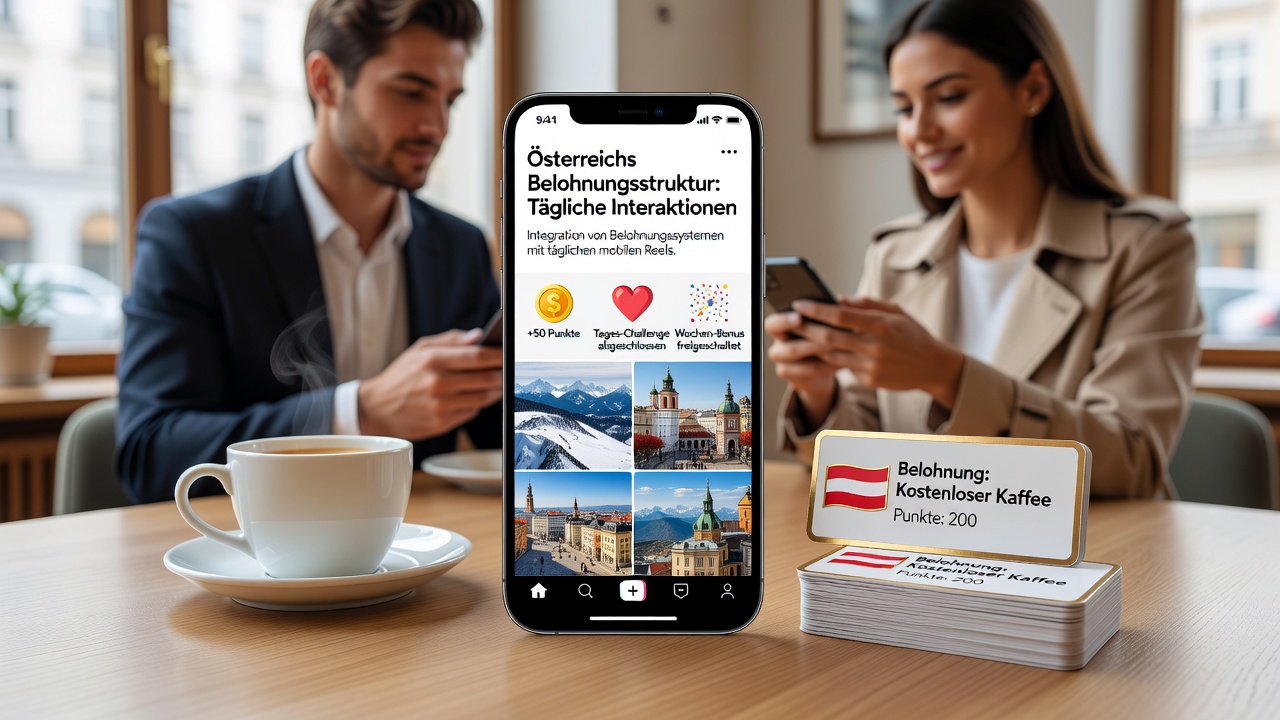
Analytics modules within the apps aggregate interaction data to refine reward thresholds over time, though operators adjust these parameters only within permitted regulatory boundaries. Users access detailed histories of how specific reel sessions contributed to their reward totals, and this transparency stems from requirements that emerged in recent Austrian licensing renewals. Figures from industry analyses reveal steady growth in the number of active daily users on platforms that employ these combined structures.
Observed Patterns in User Engagement Data
Statistics compiled by Austrian oversight entities demonstrate that reward-linked reel interactions often cluster around consistent daily time slots, with peaks occurring in the evening hours. Mobile sessions that incorporate reward claims tend to show extended durations compared to non-reward sessions, according to aggregated platform metrics. Research conducted through Canadian academic channels on digital entertainment platforms indicates that similar reward integrations in other regions produce measurable shifts in session frequency without altering overall participation rates.
Operators report that daily reward structures reduce the need for external promotional campaigns, since the built-in incentives maintain user momentum through automated mechanisms. Data sets from November 2026 filings show that platforms with tight integration between reels and rewards experience lower rates of account dormancy over multi-week periods. These patterns emerge from the way points accumulate across consecutive days, creating a continuous loop that ties each reel interaction to future benefits.
Future Developments in System Connectivity
Industry reports project continued refinement of these integrations as mobile technology advances, with potential additions such as adaptive reward scaling based on individual session histories. Austrian regulators continue to evaluate new proposals for linking reel mechanics more closely with external loyalty programs, provided they maintain separation between gaming and non-gaming reward streams. External sources, including a University of Melbourne analysis of mobile platform economics, provide comparative data that informs how such expansions might unfold within regulated European markets.
Conclusion
The integration of reward structures with daily mobile reel interactions in Austria operates through coordinated technical, regulatory, and operational layers that track and incentivize consistent user activity. Licensed platforms deliver these features via secure applications that record every spin and distribute benefits accordingly, while oversight ensures alignment with established limits. As systems evolve through 2026 and beyond, the emphasis remains on documented patterns of engagement and compliance with existing frameworks.