Linking Identity Verification Steps to Reward Access in Licensed Virtual Reel Environments
Sage Patterson · Oct 19, 2026
Linking Identity Verification Steps to Reward Access in Licensed Virtual Reel Environments
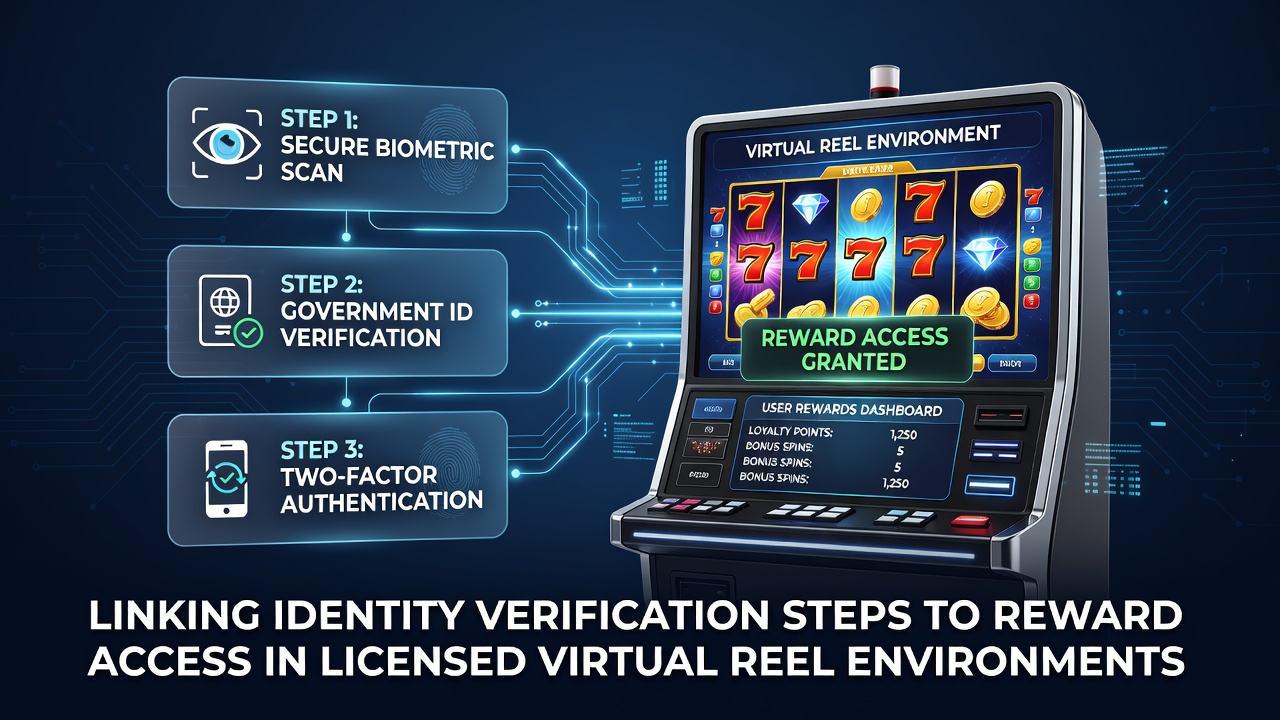
Operators in licensed virtual reel environments connect identity verification procedures directly to reward distribution systems, and this integration ensures compliance with anti-money laundering requirements while restricting bonus access to verified accounts only. Regulatory bodies across multiple jurisdictions mandate these linkages, and data from October 2026 shows increased adoption rates in mobile slot platforms operating under strict licensing conditions.
Core Components of Verification Protocols
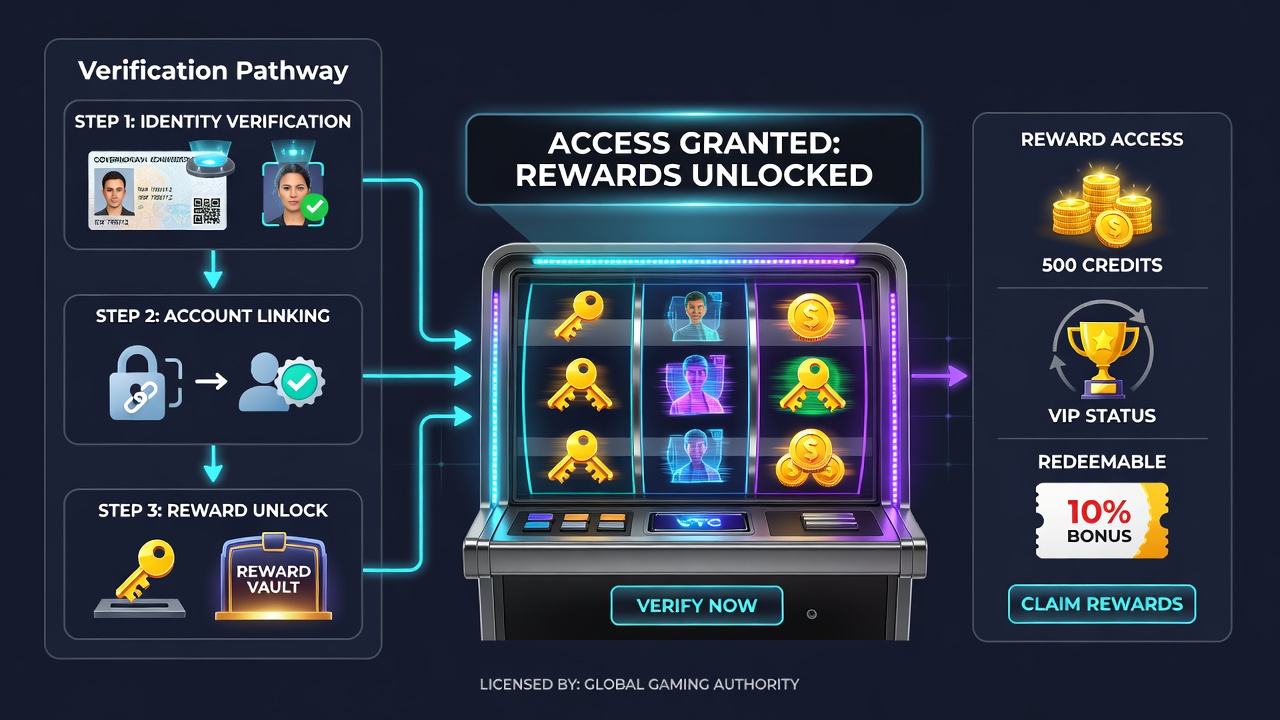
Verification processes typically begin with document submission, where users upload government-issued identification along with proof of address, and platforms then cross-reference this information against third-party databases before granting any reward eligibility. These steps occur at account registration, and subsequent checks activate when players attempt to claim promotional credits or access loyalty program benefits in virtual reel titles.
Biometric options such as facial recognition or fingerprint scanning supplement traditional methods in many licensed setups, and this combination reduces instances of account sharing that could otherwise bypass reward restrictions. Researchers at academic institutions have documented how layered verification correlates with lower fraud rates in digital gaming sectors.
Integration with Reward Distribution Mechanisms
Reward access hinges on successful verification completion, so operators program their systems to withhold bonus funds, free spins, or progressive jackpot entries until identity confirmation clears all required stages. This linkage operates through automated flags in backend software, and once verification succeeds the platform releases accumulated rewards into player wallets without manual intervention.
Case studies from regulated markets reveal that platforms enforcing these connections experience fewer chargeback disputes related to unverified bonus claims, while players encounter fewer delays once initial setup concludes. And the process aligns with broader responsible gaming frameworks that track activity patterns tied to verified identities.
Regulatory Requirements in Different Jurisdictions
Authorities in New Jersey maintain guidelines through the Division of Gaming Enforcement that tie identity checks to all promotional offerings in online reel games, and similar rules appear in Canadian provincial frameworks where operators must demonstrate verification before distributing any loyalty incentives. Australian regulatory reports from the same period highlight comparable standards applied to virtual gaming platforms, emphasizing real-time data sharing with government registries.
These policies evolved from earlier anti-money laundering directives, and by October 2026 several regions had updated their technical standards to include automated verification triggers tied directly to reward redemption events. Observers note that licensed environments consistently outperform unlicensed alternatives in maintaining these controls.
Technical Systems and Data Handling Practices
Backend architectures employ secure APIs to connect verification providers with reward engines, so a failed check immediately blocks access while successful matches update player status across all game modules. Encryption standards protect transmitted data throughout these exchanges, and audit logs record every verification attempt for regulatory review purposes.
Platforms often partner with specialized identity services that handle global document validation, and this outsourcing allows smaller operators to meet licensing conditions without building custom solutions from scratch. Data shows that integration times have shortened as these third-party tools matured over recent years.
Effects on Player Experience and Platform Operations
Players in licensed environments complete verification once during onboarding, after which reward access proceeds seamlessly across sessions, yet additional checks may trigger for high-value redemptions or account changes. Operators report that clear communication about these requirements improves completion rates, and educational resources on platform sites guide users through each stage.
Operational metrics from October 2026 indicate that verified accounts generate higher retention figures in virtual reel categories, while unverified attempts drop off quickly without reward incentives. This pattern holds across multiple licensed operators and supports ongoing compliance efforts.
Conclusion
Linking identity verification steps to reward access forms a standard practice in licensed virtual reel environments, and regulatory updates continue to refine these connections across regions. Technical implementations ensure secure, automated handling that balances player convenience with oversight demands, while data from recent periods confirms measurable impacts on compliance and operational efficiency. Platforms maintain these systems to meet licensing conditions and support secure reward distribution for all eligible participants.