Regulatory Influences on Daily Incentive Structures Within Austria's Licensed Portable Gaming Applications
Sage Patterson · Nov 16, 2026
Regulatory Influences on Daily Incentive Structures Within Austria's Licensed Portable Gaming Applications
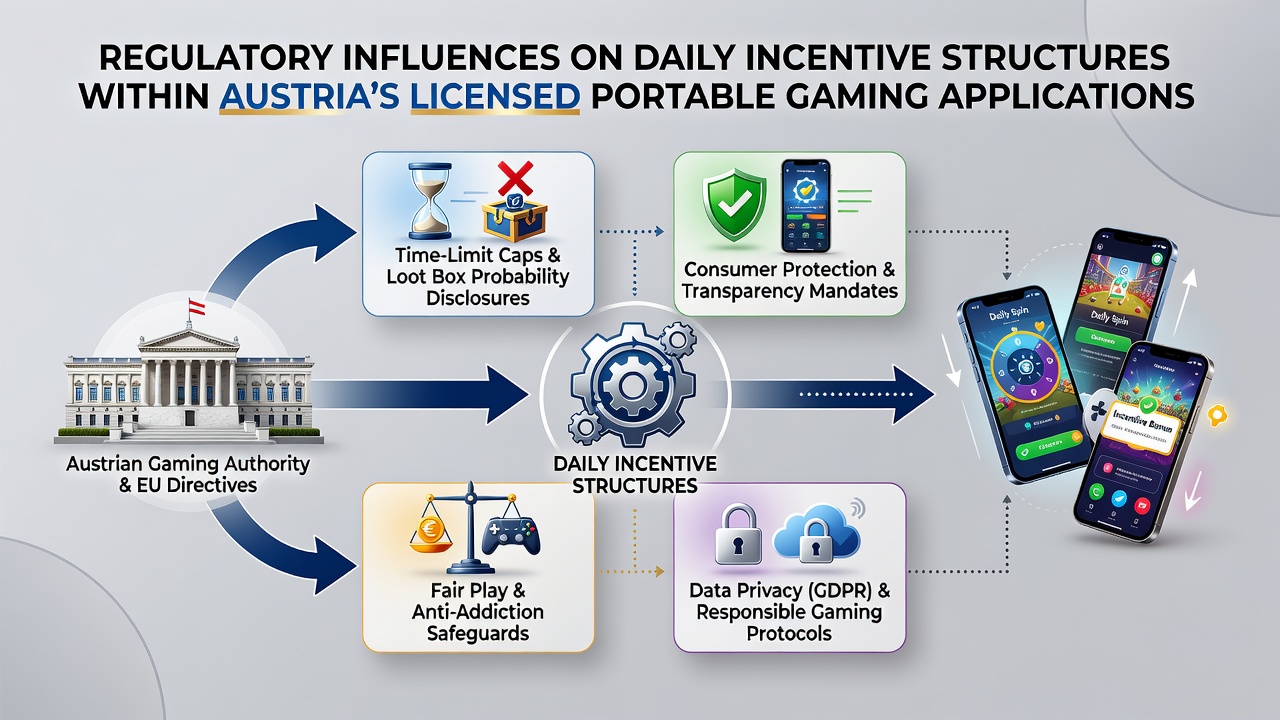
Austria maintains a structured licensing system for portable gaming applications, where daily incentive structures such as login rewards, time-based bonuses, and engagement credits fall under direct oversight from national authorities; these rules shape how operators design and deliver recurring player benefits within licensed environments. The framework requires clear disclosure of all incentive terms, limits on promotional frequency, and integration with responsible gaming measures that affect daily reward availability.
Core Regulatory Framework Governing Daily Incentives
Under the Austrian Gaming Act and related directives, licensed operators must align daily incentive offerings with strict transparency standards, which means every reward cycle appears in user-accessible formats that detail eligibility, expiration, and wagering conditions; data from regulatory filings shows that these requirements have led to standardized notification systems across most mobile platforms. Operators often tie daily incentives to verified accounts, a step that connects identity checks directly to reward distribution and reduces opportunities for repeated claims from single users.
Recent updates effective in November 2026 introduced additional caps on the cumulative value of daily incentives over a seven-day period, prompting platforms to recalibrate their engagement mechanics accordingly. This adjustment stems from broader efforts to maintain balance between player activity and regulatory compliance across portable applications.
Operational Adjustments by Licensed Providers
Providers respond to these constraints by restructuring daily incentive delivery through segmented reward tiers that scale with verified play history rather than immediate access, a shift that data indicates has extended average session intervals while preserving overall engagement metrics. Many applications now embed automated tracking that pauses or adjusts incentive accrual when usage patterns approach defined thresholds, ensuring adherence without manual intervention.
One notable development involves the synchronization of daily incentives with broader responsible gaming tools, where features such as session reminders or spending limits automatically influence reward eligibility on subsequent days. Observers note that this integration creates layered systems in which users receive partial or deferred benefits if prior activity triggers protective protocols.
Comparative Perspectives from International Regulatory Models
Austrian practices align with select elements found in other jurisdictions, such as those outlined in reports from the Canadian federal gaming oversight resources, where similar daily incentive limitations emphasize account verification and value caps to support consumer protection. At the same time, European Commission documentation on digital services provides additional context for cross-border consistency in how portable applications manage recurring rewards.
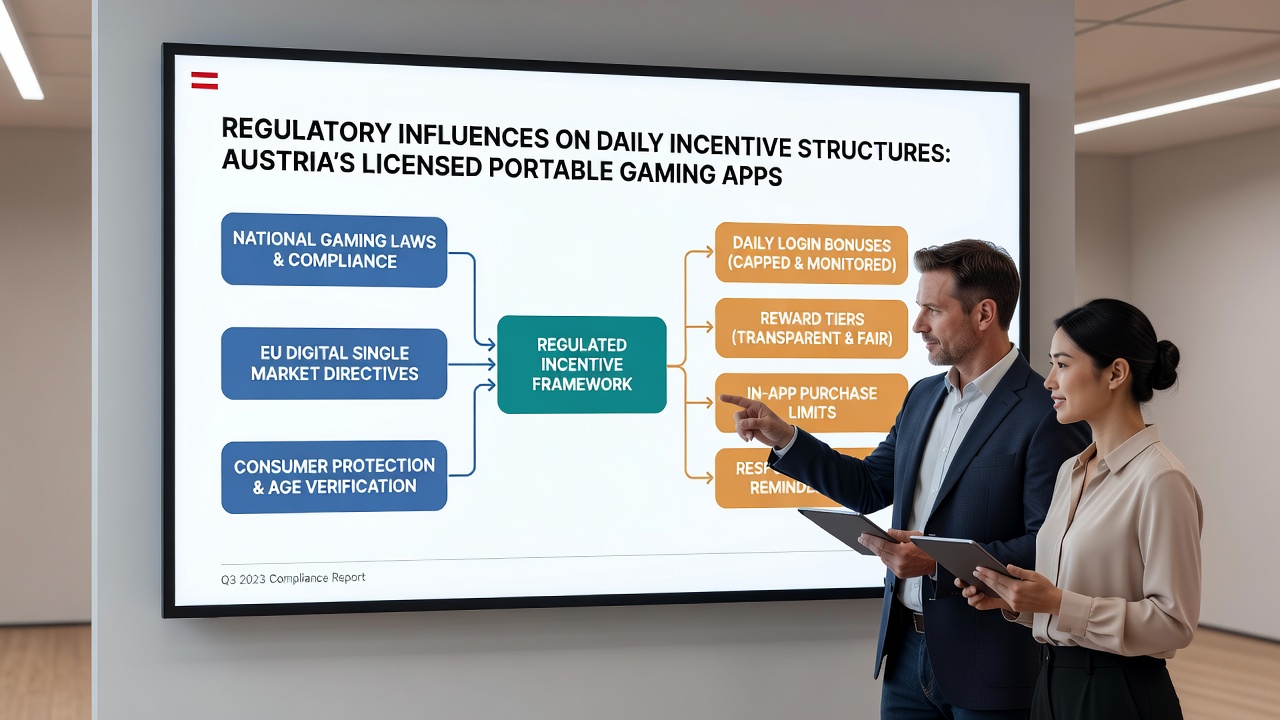
Industry analyses reveal that Austrian operators have adopted modular incentive engines capable of real-time regulatory updates, allowing swift modification of daily structures when new parameters take effect. This flexibility supports continued operation under evolving rules while maintaining distinct reward pathways for different user segments.
Data Patterns and Compliance Outcomes
Figures released through official channels indicate a measurable stabilization in daily incentive distribution following the November 2026 refinements, with fewer instances of accelerated reward cycling reported across monitored applications. Researchers tracking these trends highlight how verification-linked incentives correlate with more consistent compliance records compared to earlier unrestricted models.
Operators continue to refine their approaches by incorporating predictive analytics that forecast potential regulatory conflicts before daily incentives activate, a practice that reduces administrative reviews and supports smoother platform performance. Such systems often draw on aggregated usage data to adjust reward pacing without altering core functionality.
Conclusion
The interplay between Austrian licensing requirements and daily incentive structures in portable gaming applications produces systems that prioritize verifiable processes, value limitations, and integrated safeguards. These elements collectively determine how recurring benefits reach users while operators sustain licensed operations under current standards.